
Home Industry Automobile 7 Considerations to Make When ...
Automobile
CIO Bulletin
06 November, 2024
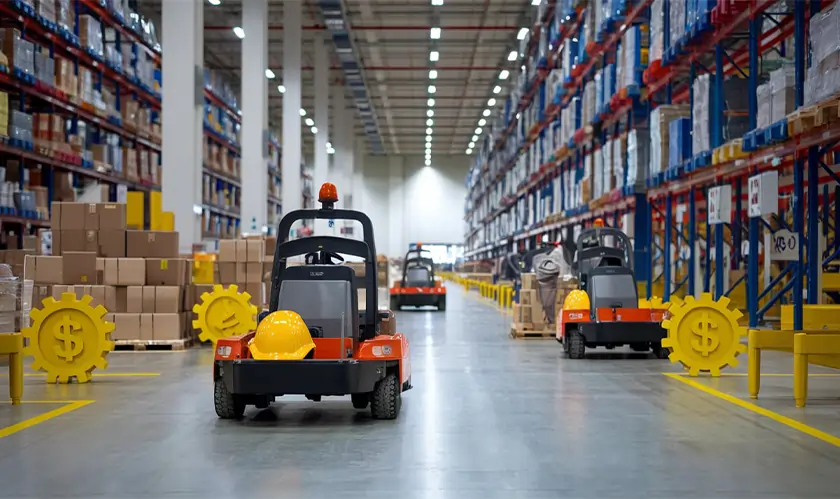
Retrieving and moving goods from one point to another can take much time and effort, especially within large warehouse facilities. Among the challenges that workers encounter while doing so include navigating warehouse aisles safely, managing the weight of the items being transported, and maintaining good speed for each transfer. To alleviate those issues and keep operations efficient, many businesses use tow tractors in their warehousing operations. A tow tractor is a vehicle designed to pull along extremely heavy loads. Because of their high towing capacity and manoeuvrability, tow tractors are able to move more goods around at a much faster rate.
That being said, acquiring tow tractors for your warehouse without a clear understanding of how to integrate them into your daily operations can prove to be counter-productive. Hence, here are some factors to consider first to ensure your warehouse’s seamless transition to mechanised operations.
Despite some tow tractors being compact in size, there still needs to be ample space in your warehouse to efficiently operate them. Make sure to check your warehouse layout first to see if a tow tractor can be driven and make turns around its aisles without any issue. You can measure your warehouse’s aisle widths and compare it with the size of the tow tractor you’re planning to acquire to help make the decision.
See to it that you have an available docking area for the tractors as well so that they wouldn’t have to take up space on the warehouse floor when not in use. Optimising your warehouse floor plan beforehand to accommodate your new tow tractors ensures hassle-free integration and prevents issues down the line.
Tow tractors have different towing capacities to suit businesses with various needs. To determine the model most compatible for your warehouse operations, consider the maximum weight you plan to move around in your warehouse and choose the tow tractor that meets that capacity. Check as well whether the tow tractor is compatible with having trailers, carts, or dollies attached to it, depending on what you use in your warehouse. This ensures that your new tow tractors can be combined with loading systems that you already have in place, making their integration into your operations much easier.
Be discerning with the safety features equipped in the tow tractors you’re planning to acquire for your operations. For instance, alarms and proximity sensors are a must to ensure any worker within the vicinity of the tow tractor is warned accordingly whenever it’s being driven around. Similarly, your tow tractors should also have emergency stop buttons so operators can immediately switch off the vehicle’s power if needed during dire situations, such as an impending collision. Make sure that the tow tractor offers maximum visibility for the operator as well, allowing them to navigate with ease around the warehouse.
If you’re purchasing electric tow tractors in particular, then make sure you’ve got the necessary charging infrastructure to power them up in your warehouse. Check how long the charging process takes so you can plan ahead for any potential downtime and optimise their use. Consider looking for tow tractors with energy-efficient features as well to reduce costs in the long run.
Another consideration would be how to integrate your tow tractors to your existing warehouse management system (WMS) and fleet management software, thus allowing you to streamline operations and accurately track the movement of goods in your facility. Some tow truck models can also be automated to perform repetitive tasks. Thus, if you highly value automation and digital integration in your warehouse, then you may want to go for those models in particular.
The upfront costs of acquiring new machinery can have a significant impact on your business’s cash flow. Hence, evaluate first the costs of the tow tractors you plan to purchase as well as long-term operational expenses such as maintenance, energy, and training. Calculate the potential return on investment (ROI) as well to gauge if the productivity gains and labour cost reductions that tow tractors can bring to your warehouse are sufficient to offset their costs.
To get the most out of your tow tractors, your workers need to be fully trained on how to use them first. Make sure you have the resources and time to allocate towards training your workers on how to use tow tractors safely and efficiently. Highlight security features equipped in the tractors during training so workers can effectively utilise them during emergencies. Let workers familiarise themselves first with the tow tractors’ controls and how to manoeuvre them as well to ensure smooth operations once the vehicles are fully integrated into warehouse operations.
Adding new equipment to your warehouse operations should always be done with careful planning to ensure their seamless integration into your existing workflow. While tow tractors are incredibly helpful for increased warehouse productivity, first make sure you take in mind the considerations highlighted above before committing to buying them. This will help ensure that they can be put to best use and that you will enjoy a good return on your investment.




















 consultants ltd.jpg)


