
Home Technology Science and technology Boosting Rail Efficiency with ...
Science And Technology
CIO Bulletin
21 January, 2025
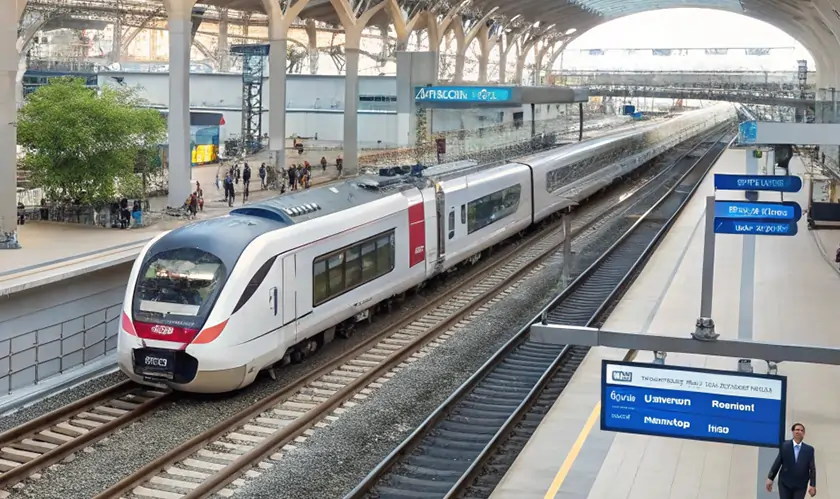
Transforming the efficiency of rail operations is no small feat. As rail networks face increasing demand and the need for enhanced safety measures, leveraging innovative technology emerges as a key solution. With digital tools and data-driven systems advancements, rail operators can streamline processes, reduce delays, and improve overall service. Embracing these new technologies is essential for meeting the changing needs of passengers and freight transport.
The Role of Technology in Rail Operations
The rail industry has witnessed a significant transformation driven by technology in recent years. Integrating technology is vital for maintaining operational efficiency, from real-time tracking systems to predictive maintenance tools.
Rail operators can harness data analytics and cloud computing to gain previously unattainable insights. This transition defines how the rail sector adapts to contemporary challenges, including the challenges of delivering CP7.
Predictive maintenance allows operators to anticipate equipment failures, significantly reducing downtime and maintenance costs. Data analytics enables optimisation of schedules and resource allocation, leading to enhanced service reliability and customer satisfaction. Implementing these technological solutions improves current operations and establishes a robust framework for future growth.
Real-World Applications of Innovative Tools in Rail
Innovative technology has tangible use cases that demonstrate its effectiveness in rail operations. Automated control systems enhance safety by ensuring trains operate within specified parameters. These systems can adjust speed in real-time, preventing accidents and improving punctuality.
Adopting Internet of Things (IoT) devices in rail infrastructure has revolutionised monitoring capabilities. Sensors installed along rail lines detect conditions such as temperature and wear, enabling immediate responses to potential hazards. This interconnected system allows rail operators to proactively address issues, ensuring smooth journeys for passengers and freight.
Enhancing Safety Through Advanced Monitoring
Safety is a primary concern in the rail industry, and advanced monitoring technologies play a vital role in safeguarding passengers and freight. Continuous condition monitoring systems provide real-time data on the health of tracks and trains. These systems alert operators to potential issues, such as track fatigue or equipment malfunction, allowing for timely interventions.
Video surveillance systems enhance security across rail networks. These systems deter criminal activity and assist in incident investigations, contributing to a safer travel environment. Integrating these technologies fosters a safety culture, which is essential for public trust and the overall reliability of rail systems.
The Importance of Data-Driven Decision Making
Data-driven decision-making is becoming essential in the rail industry. With large volumes of data generated daily, effective analysis enables operators to make choices that improve efficiency. By applying analytics, rail companies can detect trends in passenger behaviour, adjust staffing levels, and predict peak travel times.
For instance, analysing historical data helps plan schedules that reduce congestion during busy periods, enhancing the passenger experience and optimising resource use. Data insights also guide strategic investments in infrastructure and technology, directing funds to areas with the highest potential impact.
Economic Benefits of Technological Integration
Integrating innovative technologies into rail operations yields significant economic benefits. By optimising maintenance schedules and improving asset management, rail companies can reduce operational costs. This efficiency translates into savings that can be reinvested into the network, fostering further improvements and innovations.
Enhanced efficiency leads to increased capacity within existing networks. As operators streamline processes and improve turnaround times, they can accommodate more passengers and freight without extensive infrastructure expansions. Maximising the use of current assets ensures that rail transport remains a competitive and viable option for commuters and logistics providers.
Sustainability and Environmental Considerations
Sustainability is a growing concern in the rail industry. Innovative technologies contribute to reducing the environmental footprint of rail operations. By improving efficiency, rail systems can lower emissions associated with train travel. Investments in cleaner propulsion technologies and energy-efficient systems further reduce ecological impact.
Data analytics can optimise energy consumption in rail operations. By monitoring energy use in real-time, operators can identify inefficiencies and implement strategies to minimise waste. This aids in reducing costs and aligns with broader sustainability and environmental stewardship goals that are increasingly important to consumers and regulators.
Preparing the Workforce for Technological Advancements
Investing in the workforce is as crucial as investing in technology. As rail operators integrate new systems, ensuring that employees are adequately trained and skilled is essential for maximising the benefits of these advancements. A skilled workforce can effectively utilise new tools and processes, improving efficiency and safety.
Training programs should focus on technical skills and data's importance in decision-making. By empowering employees with the knowledge and skills needed to adapt to new technologies, operators can foster a culture of innovation and responsiveness. This adaptability is vital as the rail industry grows and embraces new solutions.
Collaborating for Innovation
Innovation within the rail sector often benefits from collaboration with technology providers and research institutions. Partnerships can facilitate the exchange of ideas, foster pilot projects, and enhance overall industry knowledge. By working together, rail companies can accelerate developing and implementing cutting-edge solutions that address specific operational challenges.
Collaborative efforts can lead to sharing best practices across the industry. Learning from the experiences of others can reduce the risks associated with adopting new technologies and streamline implementation processes. This collective approach encourages a culture of continuous improvement, driving the rail industry toward greater efficiency and effectiveness.

















 consultants ltd.jpg)


